

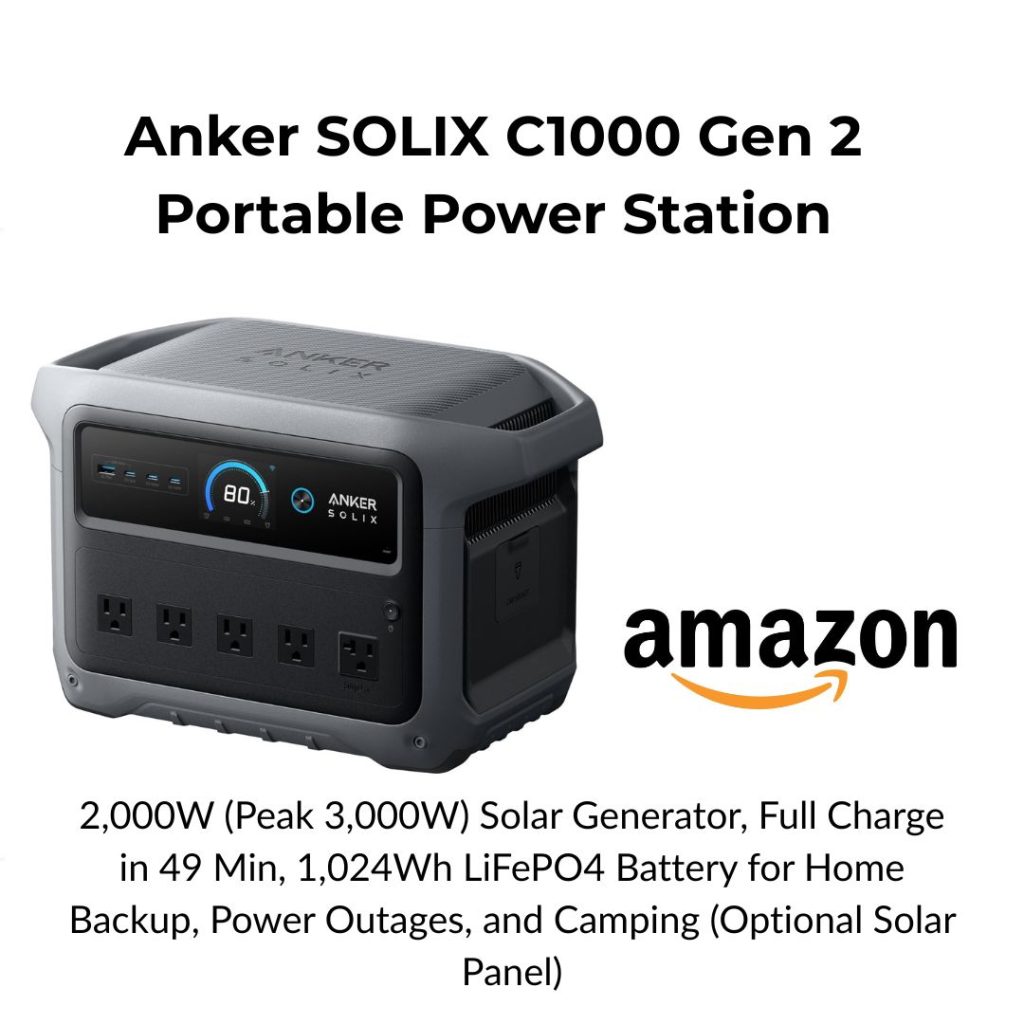
Introduction to Solar Generators
Solar generators are becoming one of the most practical solutions for clean, portable energy. Unlike traditional gas generators, they combine a rechargeable battery, inverter, and solar panel input to deliver quiet, emission‑free power. Whether you’re camping, traveling in an RV, or preparing for emergencies at home, a solar generator can keep your essentials running without the noise or fumes of gasoline.
This page is designed as a comprehensive hub for everything related to solar generators. You’ll find guides that explain how they work and how to choose the right size, product reviews that highlight the strengths and weaknesses of popular models. Our comparisons that break down differences between leading brands, and best‑of lists that showcase top picks for specific needs like RV travel or budget‑friendly options.
By organizing content into guides, reviews, comparisons, and best‑of lists, this hub covers all three search intents: informational, commercial, and transactional. That means whether you’re just learning about solar power, weighing two models against each other, or ready to buy, you’ll find curated research that saves time and builds confidence.
How Solar Generators Work
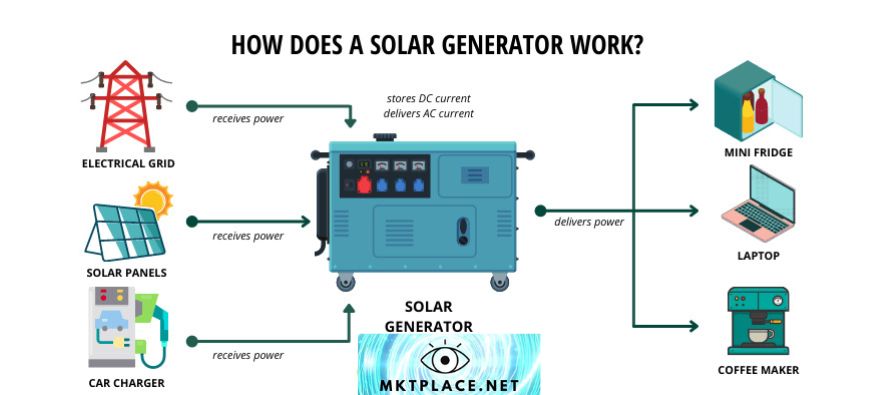
A solar generator is a versatile, portable power system that converts sunlight into usable electricity and stores it for later use. It’s designed to deliver clean, quiet energy to power everyday devices — from laptops and mini fridges to coffee makers — without relying on fossil fuels or noisy gas engines.
At its core, a solar generator consists of three main components: input sources, battery storage, and output delivery.
1. Power Input Sources
Solar generators can receive energy from multiple sources:
- Solar panels are the most common and eco‑friendly input. They capture sunlight and convert it into direct current (DC) electricity.
- The electrical grid can also charge the generator when solar isn’t available, such as during cloudy days or nighttime.
- Car chargers offer a third option, allowing users to recharge the generator while driving — useful for road trips or emergencies.
These inputs feed electricity into the generator’s internal battery system.
2. Battery Storage (DC Power)
Once energy is received, it’s stored as DC (direct current) power in the generator’s battery. Most modern solar generators use lithium‑ion or lithium iron phosphate (LiFePO4) batteries, which offer long cycle life and stable performance. This stored energy acts as a reserve, ready to be used whenever needed — whether during a blackout, off‑grid adventure, or daily use.
3. Power Output (AC Delivery)
When you plug in a device, the solar generator uses an inverter to convert the stored DC power into AC (alternating current) — the standard form of electricity used by household appliances. This allows the generator to safely power items like:
- Mini fridges (or full sized appliances if you re buying a whole house system)
- Laptops
- Coffee makers
- Lights, fans, and more
Arrows in the infographic show this flow clearly: energy enters from solar panels, grid, or car; gets stored as DC; and exits as AC to power your devices.
Why It Matters
Solar generators offer a clean, quiet alternative to gas generators. They’re ideal for:
- Emergency backup
- Camping and RVs
- Remote work setups
- Reducing reliance on the grid
With multiple charging options and the ability to power essential devices, solar generators are a smart investment for anyone seeking portable, renewable energy.
Buying Guide: How to Choose a Solar Generator
Choosing the right solar generator can feel overwhelming, especially with so many models and brands competing for attention. The key is to match the generator’s specifications to your actual needs. Here are the most important factors to consider:
- Battery Capacity: Measured in watt‑hours (Wh), this tells you how much energy the generator can store. A small unit around 500Wh might power lights and phones for a weekend camping trip. A larger models over 2,000Wh can run appliances like refrigerators or CPAP machines during a blackout.
- Inverter Size: The inverter converts stored energy into usable AC power. Look for the continuous wattage rating — if you plan to run a coffee maker or power tools, you’ll need at least 1,000W continuous output.
- Solar Input & Charging Options: Check how many watts of solar panels the generator can accept. Faster charging means less downtime. Many models also support wall charging or car charging, which adds flexibility.
- Portability: Weight and design matter if you’ll be moving the generator often. Compact units are ideal for RVs and camping, while heavier, high‑capacity models are better suited for home backup.
- Expandability: Some brands allow you to add extra batteries or connect multiple solar panels. This is useful if you want to scale your system over time.
When comparing solar generators to traditional gas models, the trade‑offs are clear. Gas units often deliver more raw power, but they’re noisy, require fuel, and produce emissions. Solar generators are quiet, clean, and increasingly powerful thanks to advances in lithium‑ion batteries. For many families, hobbyists, and travelers, the convenience outweighs the limitations.
If you’re just starting out, check out our Guide to Solar Generators for a deeper dive into sizing, features, and real‑world use cases. For those ready to evaluate specific models, head to our reviews and comparisons sections to see how leading brands stack up.
Solar Generators – Product Reviews Hub
-
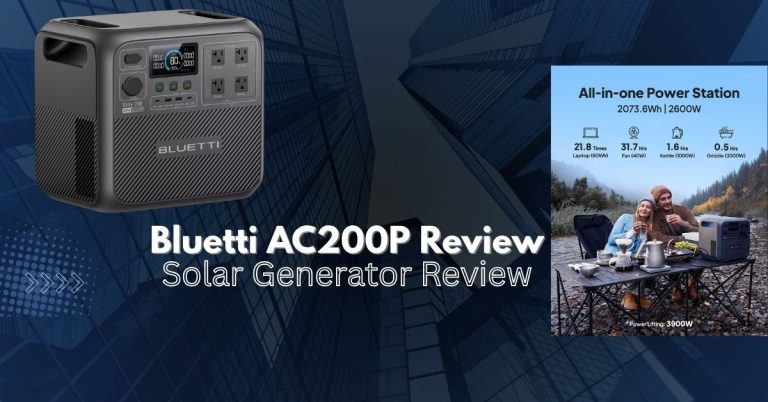
Bluetti AC200P Review
The Bluetti AC200P review has earned a reputation as one of the most versatile mid‑range solar generators on the market.
-
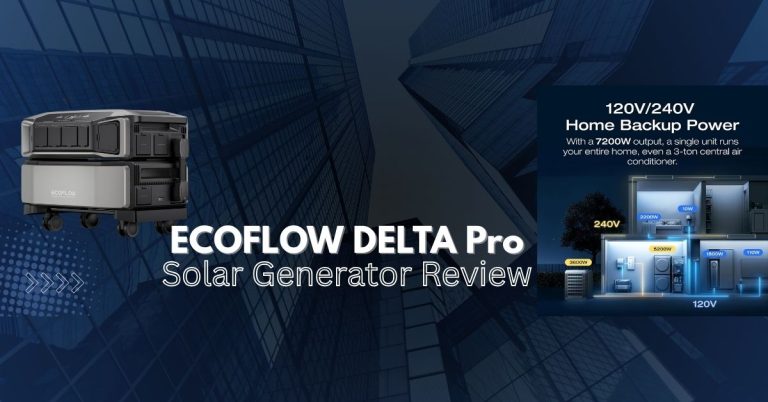
EcoFlow Delta Pro Review
The EcoFlow Delta Pro is more than a solar generator — it’s a full‑scale home energy solution.
When it comes to choosing a solar generator, nothing beats a detailed, hands‑on review. Specs and marketing claims only tell part of the story — real performance, usability, and durability matter just as much. That’s why our solar generator product reviews focus on both the technical details and the everyday experience of using these units.
Here are a few featured reviews you’ll find in our reviews section:
- EcoFlow Delta Pro Review: A powerhouse with expandable battery options, fast charging, and enough output to run heavy appliances. We break down its strengths for home backup and RV use, as well as its limitations in portability.
- Bluetti AC200P Review: Known for its balance of capacity and affordability, this model is a favorite among off‑grid enthusiasts. Our review covers its solar input, inverter performance, and how it stacks up against newer Bluetti releases.
- Jackery Explorer 1000 Review: A compact, reliable option for campers and weekend travelers. We highlight its portability, ease of use, and where it falls short compared to larger competitors.
Each review includes pros and cons, real‑world scenarios, and affiliate links to trusted retailers. Transparency is key: while affiliate commissions help sustain this site, they never influence our ratings or conclusions.
By organizing reviews under /solar-generators/reviews/, you can quickly browse all models we’ve tested. Whether you’re comparing flagship units or budget‑friendly options, these reviews provide the clarity you need before making a purchase.
Solar Generators – Comparisons Hub
One of the most common questions people ask when shopping for a solar generator is: Which brand is better? That’s where our comparison articles come in. Instead of relying on marketing claims, we put models side by side to highlight the differences in capacity, features, and real‑world usability.
Here are some of the featured comparisons you’ll find in our comparisons section:
- EcoFlow vs Bluetti: Two of the most popular brands in the solar generator space. We compare battery capacity, inverter performance, charging speed, and expandability to help you decide which fits your lifestyle.
- Jackery vs Goal Zero: Both are known for portable, mid‑range units. Our comparison looks at portability, solar input, and long‑term reliability, especially for campers and RV travelers.
- Solar Generators vs Gas Generators: A broader look at clean energy versus traditional fuel. We break down cost, convenience, noise, and emissions so you can see where each option shines — and where it falls short.
Each comparison is structured to answer the questions buyers actually ask: Which one lasts longer? Which charges faster? Which offers better value for the money? By organizing these posts under /solar-generators/comparisons/, you can quickly browse all head‑to‑head matchups in one place.
These comparisons are especially useful for readers in the consideration stage of buying. If you’ve narrowed your choices down to two or three models, our “vs” content provides the clarity you need to make a confident decision.
Solar Generators – Best Of Lists
Sometimes you don’t want to dig through specs or weigh endless comparisons — you just want to know which solar generators are the best for your situation. That’s where our best‑of lists come in. These curated roundups highlight top picks across different categories, budgets, and use cases, making it easy to find the right model without second‑guessing.
Here are some featured lists you’ll find in our best‑of section:
- Best Solar Generators for RV Travel: Focused on portability, high capacity, and fast charging, these models are ideal for powering appliances and electronics on the road.
- Best Solar Generators Under $1000: Budget‑friendly options that still deliver reliable performance for camping trips, small appliances, and emergency backup.
- Top 10 Solar Generators for Camping: Lightweight, compact units that balance portability with enough power to keep lights, phones, and small devices running.
Each list is built around real‑world criteria — not just marketing claims. We evaluate battery capacity, inverter strength, solar input, portability, and overall value. By organizing these posts under /solar-generators/best-of/, you can quickly browse curated recommendations tailored to different needs.
These lists are especially useful for readers in the decision stage of buying. If you’re ready to purchase but want confidence in your choice, our best‑of content provides clear, actionable recommendations. Combined with our guides, reviews, and comparisons, they ensure you have everything you need to make a smart investment in clean, portable energy.
Solar Generators – Maintenance & Tips
Owning a solar generator isn’t just about buying the right model — it’s also about keeping it in top condition so it lasts for years. With proper care, today’s lithium‑ion batteries can deliver reliable performance for thousands of cycles. Here are some practical tips to maximize lifespan and safety:
- Battery Care: Avoid fully draining the battery whenever possible. Keeping charge levels between 20% and 80% helps extend overall life. If you won’t be using the generator for a while, store it at around 50% charge.
- Charging Practices: Use compatible solar panels and follow manufacturer guidelines for maximum input. Overloading or using mismatched panels can reduce efficiency and stress the system. When wall charging, avoid leaving the unit plugged in indefinitely.
- Storage Conditions: Keep your generator in a cool, dry place. Extreme heat or cold can degrade battery performance. For RV or camping trips, make sure the unit is protected from direct sunlight when not in use.
- Regular Use: Like any battery‑powered device, solar generators benefit from periodic use. Running the unit every few weeks keeps the battery active and ensures you’re familiar with its operation before an emergency.
- Safety Checks: Inspect cables, ports, and solar panel connections regularly. Replace worn or damaged components promptly to avoid performance issues or hazards.
By following these simple practices, you’ll get the most out of your investment. For more detailed advice, see our dedicated Solar Generator Maintenance Guide, which covers advanced tips for long‑term care.
Conclusion & Affiliate Transparency
Solar generators are more than just a trend — they’re a practical, sustainable solution for families, travelers, and anyone looking to reduce reliance on fossil fuels. Whether you’re preparing for emergencies, powering an RV adventure, or simply exploring clean energy options, the right solar generator can provide peace of mind and independence.
This hub is designed to give you everything you need in one place: guides that explain the fundamentals, reviews that dive into specific products, comparisons that highlight differences between leading brands, and best‑of lists that showcase top recommendations for different budgets and use cases. By linking these resources together, you can move confidently from learning to buying without wasting time on scattered or biased information.
Transparency is central to how we work. Some of the links on this site are affiliate links, which means we may earn a commission if you make a purchase. These commissions help support the research and writing that goes into every guide and review. Importantly, they never influence our conclusions — honesty and clarity always come first.
Explore the sections that interest you most, and let this hub be your starting point for choosing a solar generator that fits your life.